A simple and practical lane-centring method designed for older drivers in South Australia. Learn how using a shoulder reference can improve confidence and reduce drifting.

General tips, advice, and knowledge about safe driving for all ages, especially senior and migrant drivers.
A simple and practical lane-centring method designed for older drivers in South Australia. Learn how using a shoulder reference can improve confidence and reduce drifting.
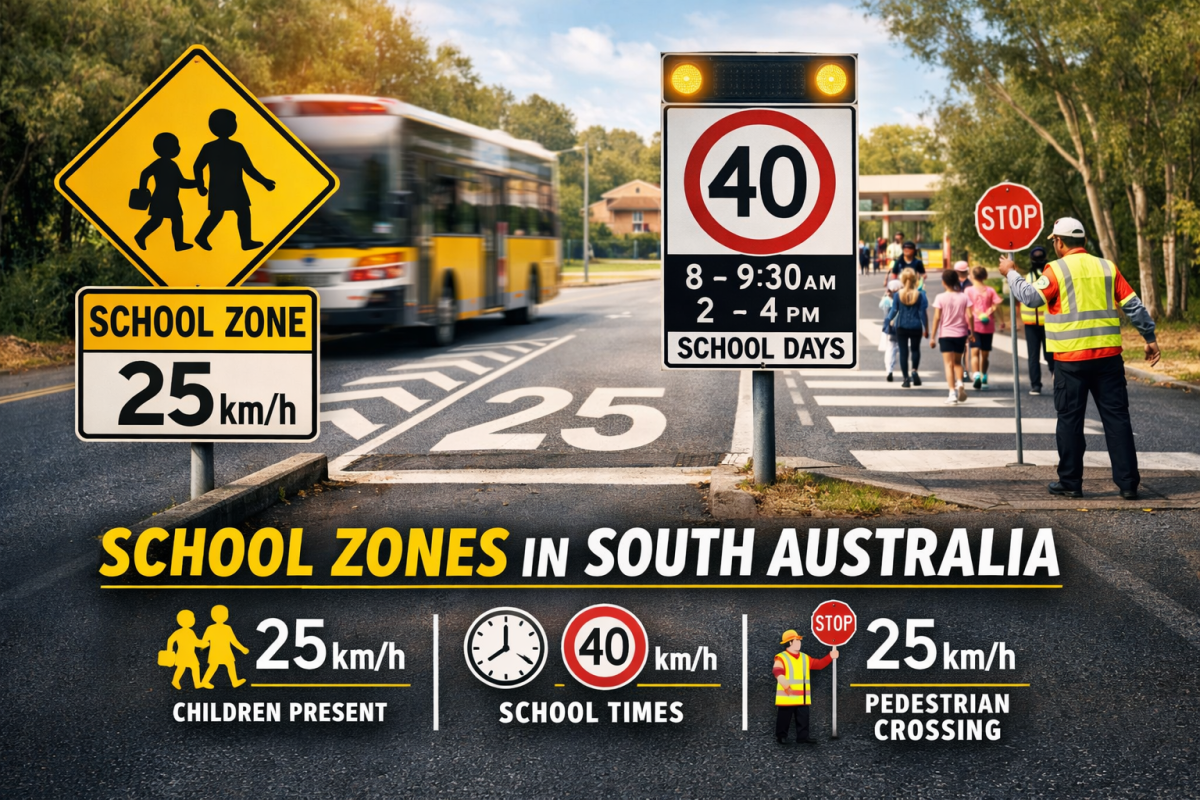
South Australia has three different types of school speed zones. This article explains when each one applies, how drivers must respond from sign to sign, and why correct school-zone behaviour is important for road safety and medical fitness-to-drive assessments.

With the support of Microsoft’s non-profit technology program and the Good Things Foundation community grant, the Adelaide Senior Road & Health Association is building sustainable digital and road safety education for older Australians. This support strengthens our capacity to deliver accessible, long-term community programs rather than one-off activities.
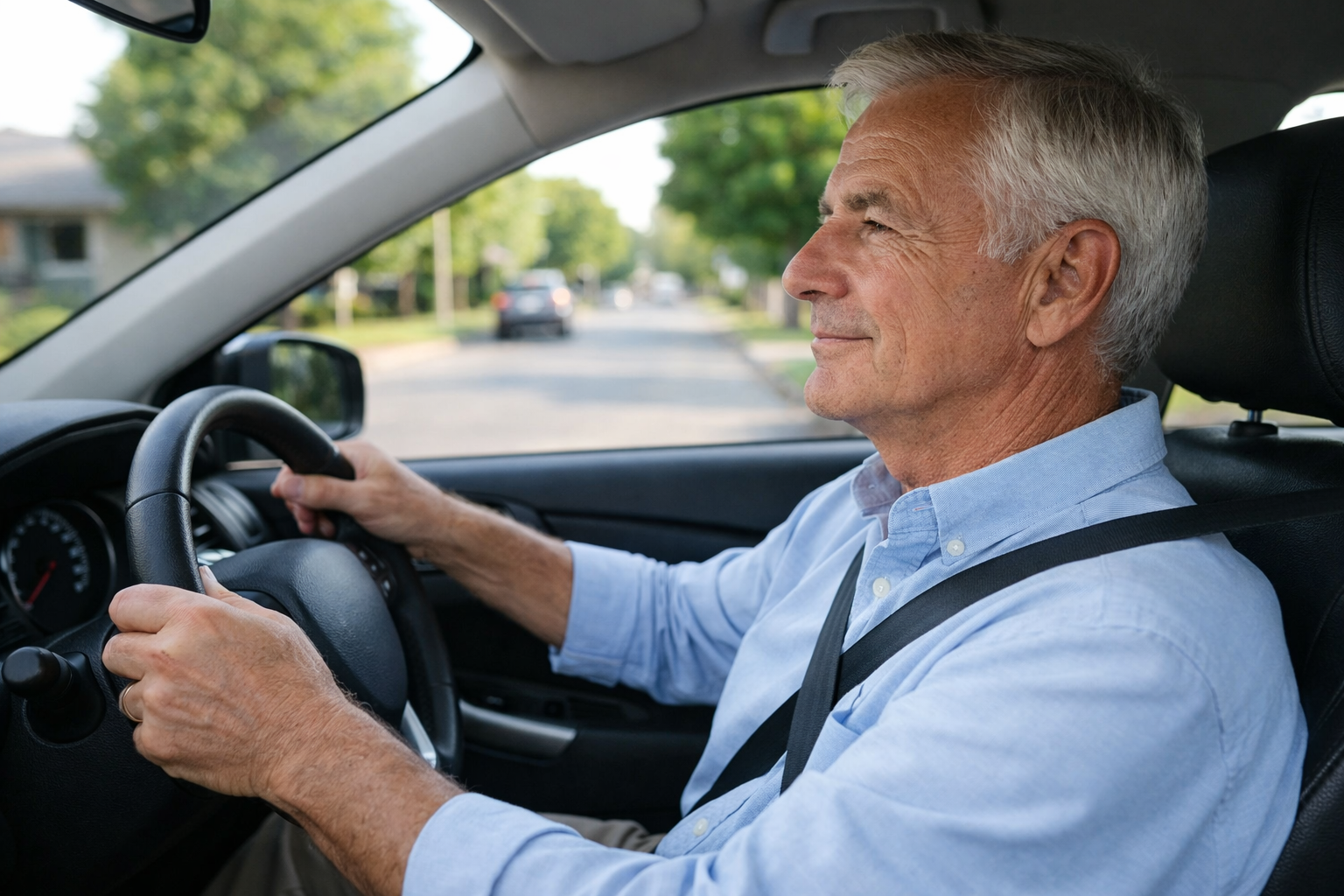
This page explains the Practical Driving Assessment (PDA), an on-road driving reassessment that may be required after a medical review. It outlines what the assessment involves and how driving is evaluated by DIT.
Senior drivers over 60, especially recent migrants, often face challenges like poor merging, slow speeds, and unclear lane positioning. This article explores the reasons behind these mistakes and offers practical solutions.
Recent news in South Australia has spotlighted older driver accidents. This article explores how families and communities can support senior drivers with self-assessments, safer cars, and road rule refreshers—without blame.
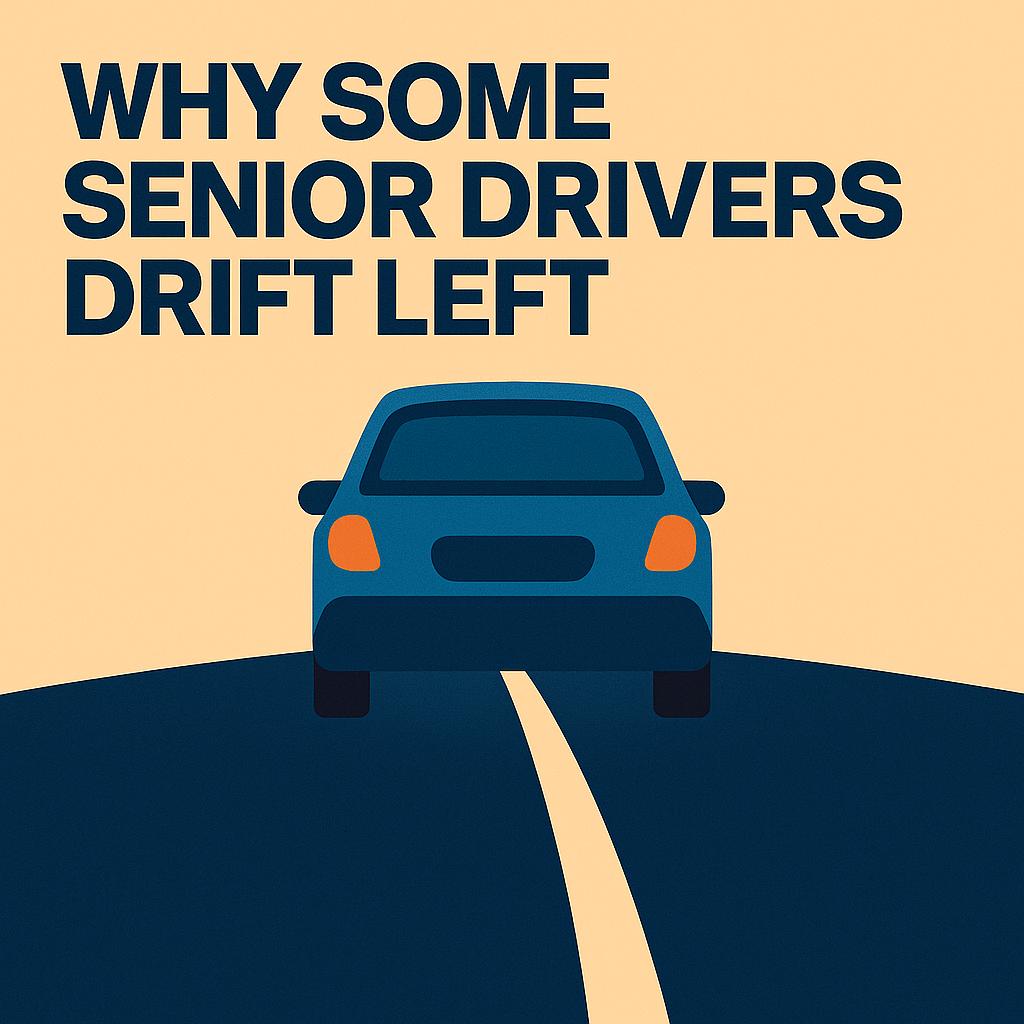
Some older drivers in South Australia tend to drift left while driving, especially after years of driving overseas. This article explores the physical, perceptual, and environmental reasons behind this behaviour — and what families, instructors, and the drivers themselves can do to stay centred and safe.