As we age, it’s not uncommon to experience small changes in posture, vision, or perception — all of which can affect how we drive. One subtle issue some senior drivers face is drifting too far to the left within their lane. While this might not seem serious, it can increase the risk of hitting curbs, parked cars, or veering off-road. This article explores why this happens and how to correct it.
Common Reasons for Drifting Left
1. Posture and Seating Position
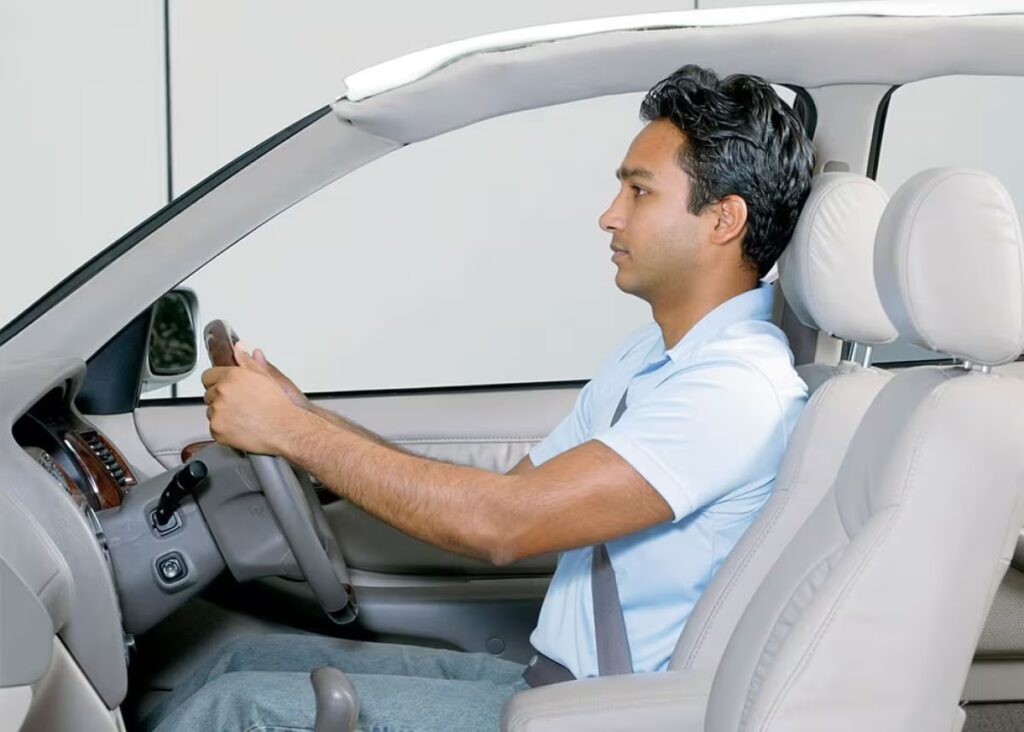
Some older drivers sit slightly tilted or slouched without realising it. Over time, this posture can shift how you “feel” centred in the car. If you tend to lean left, your brain may incorrectly think the car is centred when it’s actually too far left.
2. Visual Bias
As we age, reduced peripheral vision or slower visual processing can make it harder to judge the car’s position in the lane. You might unintentionally rely too much on the left side mirror or edge of the road to stay centred, especially on narrow streets or when driving near parked cars.
3. Outdated Driving Habits
If you haven’t had formal driving training for decades, your lane positioning skills may be slightly outdated. Many senior drivers learned to rely on “gut feeling” rather than structured reference points. That’s okay — but it can be refreshed.
How to Fix It
1. Use a Shoulder Reference
A simple method: align your left shoulder with the centre of your lane. In most vehicles, this places your car neatly in the middle. It works better than trying to judge from the edges or mirrors.
2. Practice in a Safe Place
Pick a quiet street or large carpark. Practice holding the lane while keeping your left shoulder lined up with the centre. Get feedback from a trusted passenger or instructor.
3. Get a Refresher
Attending a senior driver refresher workshop or session can give you updated tips and boost your confidence. Programs are often run by local councils, road safety bodies, or independent instructors.
4. Family Support
If you’re concerned about an older family member’s driving, talk with respect. Offer to ride along, help with practice, or look into local training options together.
Conclusion
Drifting left is usually a small habit that can be corrected with a few adjustments — not a sign of poor driving. With the right posture, better visual cues, and updated strategies, most senior drivers can enjoy safer, more confident trips on the road.
References
- South Australian Government (2024). The Driver’s Handbook. Available at: https://mylicence.sa.gov.au
- VicRoads (2024). Older Drivers – Staying Safe. Available at: https://www.vicroads.vic.gov.au/safety-and-road-rules/driver-safety/older-drivers
- Coyle, D. (2009). The Talent Code. New York: Bantam Books.