Many drivers arriving from overseas are surprised to learn that in South Australia, turning left at a red light is generally not permitted.
Unlike some countries where turning on red is normal practice, South Australia follows a stricter rule.
Understanding this rule is important for senior drivers undertaking medical assessments, overseas licence conversion applicants, drivers returning to driving after a long break, and family members supporting older drivers.
The General Rule
In South Australia, you must not turn left at a red traffic light unless a sign specifically allows it.
If there is no sign permitting the turn, you must stop behind the stop line, remain stationary, and wait for a green signal.
This applies even if there is no traffic, it is late at night, or the intersection appears empty.
A red light means stop. It does not mean “check and go”.
The Only Exception: A Permitted Sign Must Be Present
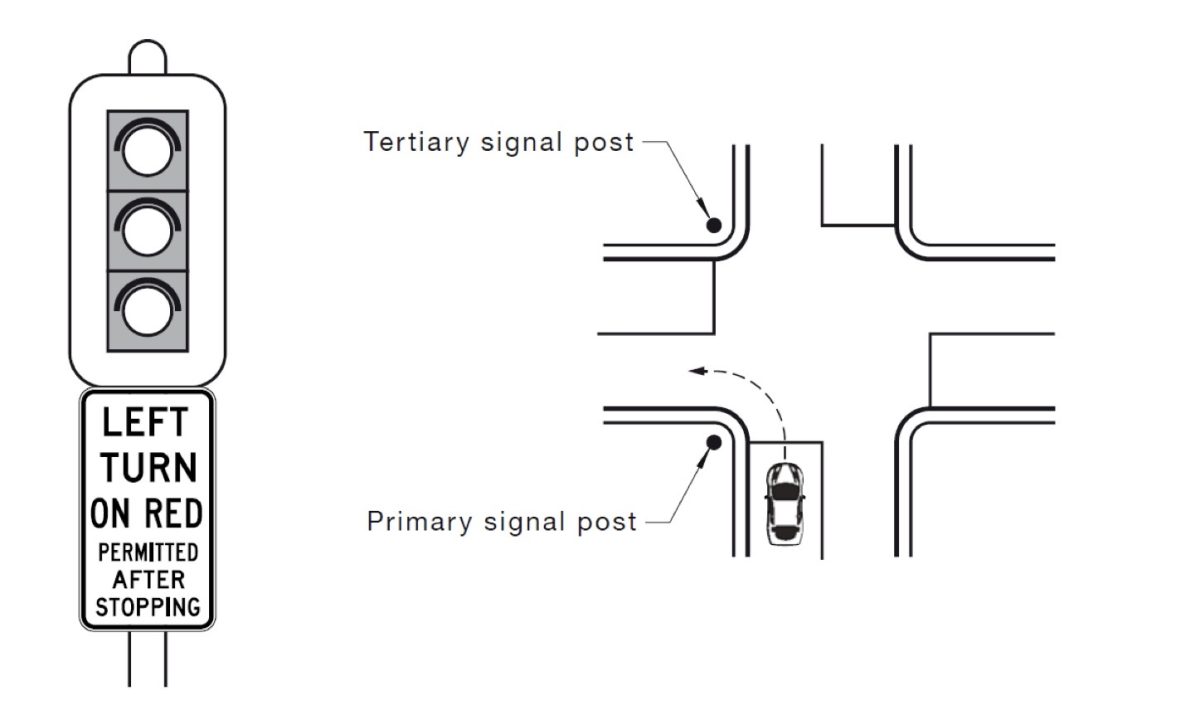
You may turn left at a red light only if a sign is displayed stating “Left Turn on Red Permitted After Stopping”.
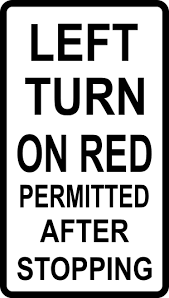
When this sign is present, you must come to a complete stop, give way to all pedestrians, give way to all vehicles, and proceed only when safe.
This rule operates similarly to a stop sign combined with a red light.
It is not automatic. You must stop first.
Where This Rule Comes From
The installation and use of this sign in South Australia is governed by the Department for Infrastructure and Transport (DIT).
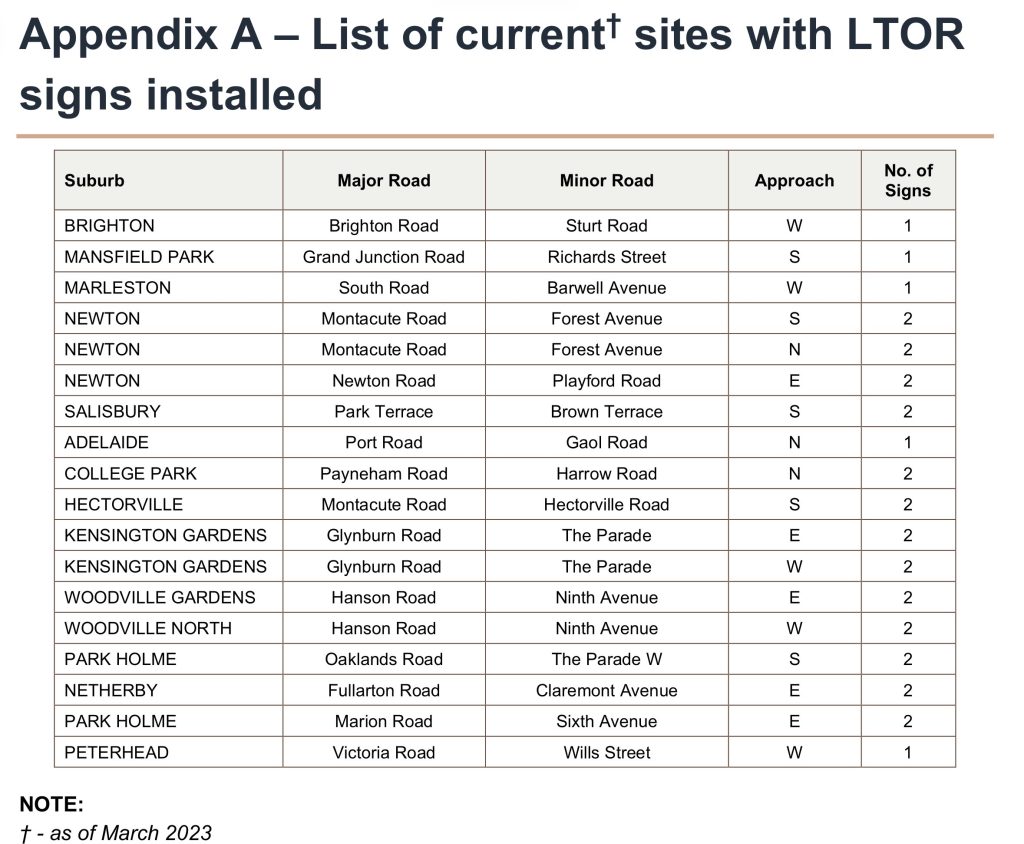
Specifically, it is regulated under Operational Instruction 14.04 – Left Turn on Red Permitted After Stopping.
This official document sets strict engineering and safety criteria for when the sign can be installed.
According to Operational Instruction 14.04, the sign may only be used where the speed limit is 60 km/h or lower, there is adequate sight distance for drivers, there is no red left-turn arrow, pedestrian activity and intersection geometry are considered safe, and traffic conflict risks are acceptable.
Not every intersection qualifies.
This means that if the sign is not physically present, the turn is not legally permitted.
The rule is not based on driver judgement. It is based on formal safety assessment.
Common Mistakes Observed
In licence conversion and reassessment situations, common errors include rolling through without fully stopping, failing to check carefully for pedestrians, assuming it is allowed at all red lights, and treating it like a “slow and go” situation.
A rolling stop is still an offence.
For assessment purposes, examiners expect a clear, complete stop before any movement.
Why This Matters for Medical Assessments
For senior drivers undergoing medical review or reassessment, traffic signal compliance is strictly monitored.
Rolling through a red signal may result in immediate failure.
Failure to give way to pedestrians is considered high risk.
Examiners are assessing judgement, hazard awareness, and compliance with South Australian road rules.
Signal obedience is a fundamental expectation.
Why Overseas Drivers Often Misunderstand This Rule
In some countries, turning on red is routine, drivers only need to slow down, and enforcement differs significantly.
South Australia operates differently.
References
- Department for Infrastructure and Transport (DIT) 2023, Operational Instruction 14.04: Left Turn on Red Permitted After Stopping, Government of South Australia, viewed 19 February 2026, https://dit.sa.gov.au/__data/assets/pdf_file/0004/659362/Operational_Instruction_14_04.pdf.
- MyLicence 2024, The Driver’s Handbook – Traffic Lights, Government of South Australia, viewed 19 February 2026, https://www.mylicence.sa.gov.au/road-rules/the-drivers-handbook/traffic-lights.
Disclaimer
This article provides general information only. Road rules are governed by South Australian legislation and enforced by relevant authorities. Drivers should refer to official government publications for the most current legal requirements.